Sustainable Solutions: Permeable Interlocking Pavers for Driveway Installation
Permeable interlocking concrete pavers have been around long enough to shed the uniqueness tag. They manage daily cars and truck website traffic, take in tornados that would certainly flood a conventional slab, and festinate in a household or little industrial setup. When made and set up well, they function like a mini landmark under your wheels. Water goes through the joints, right into a stone storage tank, and either seeps into the ground or departures via a regulated outlet. The surface area remains company and appealing, the base quietly shops and manages runoff, and the entire system earns its maintain for decades.
I have mounted permeable systems on driveways that sit next to trout streams, in limited city lots where stormwater guidelines leave no wiggle area, and on cul-de-sacs where neighbors initially doubted the idea, after that called the following season to request theirs. Every site brings its own collection of restrictions. The technique is repeatable, yet the judgment calls are what maintain the work interesting.
Why permeable interlacing pavers make good sense on a driveway
Most driveways send out water directly to the street. On a summer season thunderstorm, that sheet of drainage can carry oil residue, brake dirt, fertilizer from the yard, and plenty of great sediment. An absorptive interlacing system turns the driveway into a filter and a momentary tank. The joints are loaded with a little, tidy rock, not sand. Water slides down right into an open rated aggregate base with large voids, where it slows, spreads, and soaks. Contaminants clear up in the top layer as opposed to running to the nearby inlet.
The efficiency gains are substantial. Initial surface infiltration rates are commonly more than 100 inches per hour when gauged on a clean brand-new setup, which indicates even extreme cloudbursts have area to breathe. That capacity declines as fines accumulate, yet with routine vacuum sweeping the surface area usually stays far above what most tornados need. When local dirts accept seepage, the system reduces pressure on storm sewage systems and recharges groundwater. Where heavy clay or high groundwater dismiss complete infiltration, the same assembly can be throttled with an underdrain to manage outflow without shedding the advantages of filtering and storage.
There is likewise the matter of looks and durability. Well made pavers with limited resistances secure into a textured aircraft that matches both older block homes and basic modern-day facades. Shades hold, fixings are pain-free, and the surface area endures freeze cycles better than a monolithic pour due to the fact that it is made to move.
The anatomy of a permeable paver system
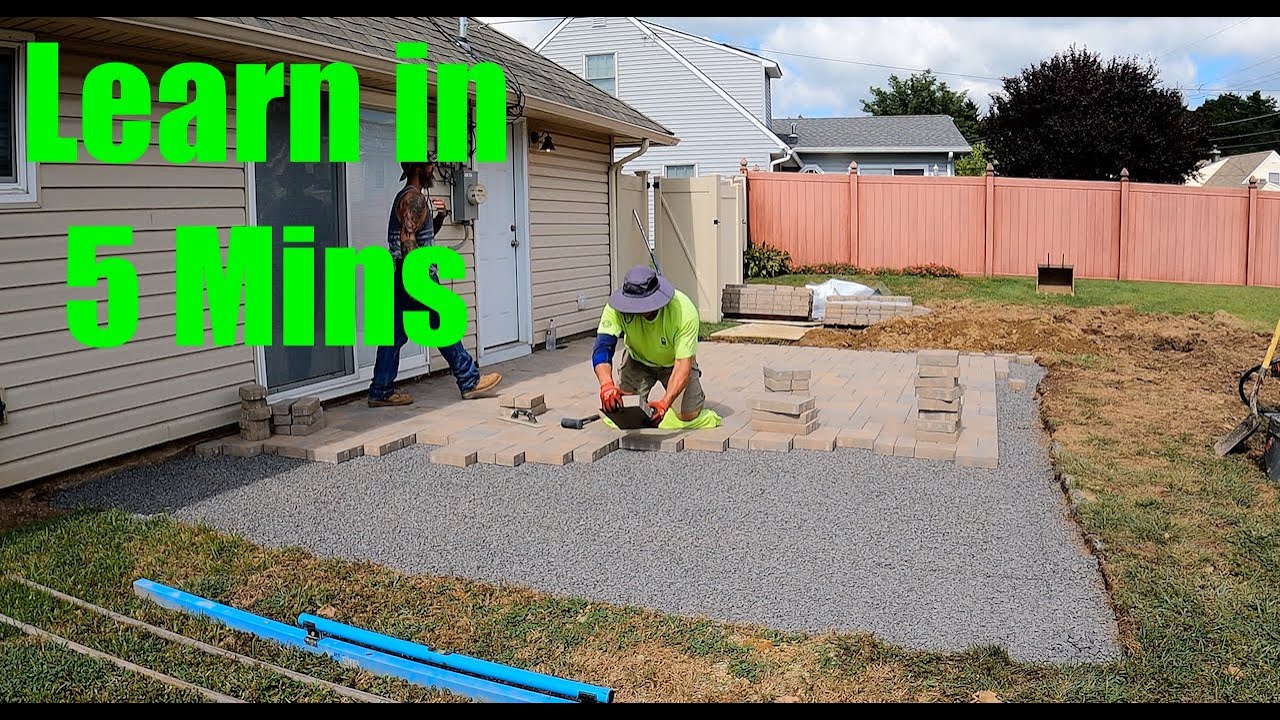
Think in layers. The pavers on the top are simply the noticeable pointer of a little civil jobs task. Listed below them sits a bed linen layer of small chip stone that levels the units and provides drain. Much deeper still, an open rated tank base lugs the majority of the water storage and architectural lots. Along the sides, restraints maintain everything in place. Someplace in the rock, a geotextile may sit to different soils, or a perforated underdrain may wind its escape to daylight or a regulated outlet. The beauty of the system is that it scales. A brief metropolitan driveway can get by with a small tank and no underdrain if soils penetrate. A long sloped drive above clay needs more deepness and a pipe.
Aggregate choice issues. The rocks are intentionally gap graded to create spaces. A typical layering technique makes use of a small chip stone for the bedding and joints, a medium sized stone as a choker training course to secure the bed, and a larger tidy rock for the storage tank. Those dimensions vary by region and vendor, yet the intent remains consistent: clean, angular, well rated within each layer, and cleaned to remove fines. Angular rock stands up to motion. Rounded river crushed rock does not belong in the structure.
Edge restraints do the quiet job that keeps the field tight under web traffic and temperature level swings. Concrete curbs with an integral footer, well pinned plastic restrictions rated for absorptive installations, or a soldier training course locked in mortar versus a poured beam all job when sized to the load.
What it takes to bring automobiles without rutting
Driveways are deceptively hard on pavements. Even when just two autos come and go, the tons repeats in the same wheel paths every day. An absorptive system does well when the base is made to take care of that stress while still holding enough water to fulfill the job's storm goals. Those two demands push in opposite directions. Even more stone depth boosts both toughness and water storage space, however additionally adds price and excavation. The appropriate response lives in between and depends on subgrade stamina, web traffic, and rainfall.
We begin with subgrade screening. On domestic work, a probe and aesthetic dirts check often inform you whether you are remaining on company sandy loam or a wet plastic clay. For larger jobs, an easy dynamic cone penetrometer test or area bearing checks help size the base. If the subgrade is weak, scarify gently, add a non woven geotextile separator with a high permittivity, and avoid over compaction that would certainly secure the surface. If it is firm and drains, you might not require geotextile at all.
Base density then reflects website traffic course. For a normal 2 vehicle Driveway Paving Installation that sees vehicles and the periodic delivery truck, I define a tank depth in the 8 to 12 inch array over uninterrupted soils, not counting the bed linens. On an estate drive that expects moving vans or regular service trucks, 12 to 18 inches brings assurance. The open graded base has a void ratio near 40 percent, so every 10 inches of deepness stores about 4 inches of rainfall spread throughout the footprint. That fast mental math aids when a municipality requests on site storage space equal to a one inch tornado over the led area.
Compaction of open graded stone is various from thick rated road base. You do not function water right into the mix or chase perfect density numbers. Rather, you place in lifts of 4 to 6 inches, run a relatively easy to fix plate or light roller, and check for side activity under the equipment. The objective is to seat the angular stone, not squash it penalties. Straining presents dust that will block the leading later.
Where underdrains fit, and when to skip them
Underdrains are not a default. They add cost and can short circuit seepage if utilized thoughtlessly. I reach for a perforated pipe when the indigenous dirt infiltrates improperly, groundwater sits high, or the website needs positive drainage within an established drawdown window. The pipeline relaxes near all-time low of the reservoir with its invert simply high sufficient to leave some storage space quantity for water high quality. Cover the pipeline in a brief sleeve of geotextile to keep little rocks out, or utilize a slotted pipe with a slim gravel envelope. Avoid covering the entire base in material like a burrito. That trick seems tidy on paper, however it ends up being a choke point for penalties and reduces the life of the system.
On sandy or loamy soils that pass easy percolation checks, missing the underdrain maintains the design easy and allows the ground do the work. Some customers like the redundancy of a capped cleanout linked to a stubbed underdrain, ready to be opened if a fanatic event or a future enhancement modifications runoff patterns. That concession costs little and acquires flexibility.
Comparing expenses with conventional driveways
Numbers vary by region, access, and your selection of paver, yet a couple of arrays aid set assumptions. Conventional asphalt on a residential drive frequently falls in the 5 to 8 bucks per square foot variety when no base reconstruction is needed. Simple concrete normally lands around 8 to 12 dollars per square foot. Permeable interlocking pavers, including the specialized aggregates, usually run 12 to 22 dollars per square foot set up for a driveway sized project. Intricate patterns, limited accessibility, or deep tanks press the https://sp-n8w4ee.hyperping.app/ number up. Rebates or stormwater debts can bring it back down.
On paper, absorptive looks expensive. Over a twenty years horizon, the calculus changes. Place repair work on pavers are localized and assimilate. If an energy cut is needed, you pull devices, take care of the line, restore the rock, and relay the exact same pavers. Freeze damages that would spiderweb a concrete piece shows up as a couple of loose devices that take an hour to reset. Owners who place value on keeping water on website, avoiding sump pump fights with next-door neighbors, and conference allow commitments often see the premium as cash well spent.
Design selections that boost everyday performance
Two details make the individual experience: joint size and sidewalk texture. Wider joints allow faster consumption and are much less susceptible to sealing under a few stray leaves, but they likewise relocate the appearance from crisp to rustic. Narrow joints keep a sharp grid and still provide plenty of seepage if the job is preserved. For household driveway work, I tend to choose pavers with integrated spacers that develop a joint broad sufficient for the appropriate chip rock without leaving big voids. Joints need to be deep, not superficial. That depth holds the stone, maintains tires from drawing it out, and aids trap fines prior to they clear up right into the bedding.
Surface texture affects grip, noise, and wintertime handling. A a little tumbled face hides scuffs and feels comfortable underfoot. An obvious bevel looks wonderful but can telegraph more tire sound on limited turns. When snow becomes part of life, prevent very smooth surface areas. Rakes adventure penalty on absorptive pavers if the blade has footwear or a polymer edge established a hair above the surface. Deicing salts do not merge on the top the means they do on thick concrete. They work effectively because meltwater drains away and can not refreeze as a glaze.
A practical setup series for reliability
- Evaluate the website. Verify residential or commercial property lines, mark utilities, and observe where water presently relocates. Determine downspouts that dump onto the drive, and choose whether to link them into the storage tank or redirect them across landscape.
- Excavate with restraint. Preserve undisturbed subgrade where possible. Prevent driving hefty tools over subjected soils. Cut to the style depth with a clean bench. If the subgrade is soft, support with a non woven geotextile separator.
- Place the open graded base in controlled lifts. Use tidy, angular accumulation. Compact to lock the rocks, not to force penalties. Inspect elevations versus string lines and a turning laser. Establish slope toward any type of underdrain outlet.
- Install edge restraints and lay bedding. Establish restrictions on solid assistance so they resist external drive, after that screed the bed linen layer to a regular density. Maintain it dry and clean. Do not stroll or drive over it after screeding.
- Lay, cut, and seat the pavers. Job from the low point upwards, pull string lines often, and reduced systems with a saw to keep tight boundaries. Fill up joints with clean chip rock, sweep, and vibrate the surface area with a plate compactor fitted with a protective pad. Round off joints until they no longer approve more stone.
That sequence shows the rhythm, but lots of jobs need a couple of twists. On a steep approach, for instance, phase the rock distribution to reduce tracking and clean down the road each evening. On a shaded site beneath conifers, design the upkeep plan to include a spring and autumn vacuum cleaner sweep to remain ahead of needles.
Maintenance that keeps seepage high
Permeable pavements award light, routine treatment. I tell clients to think about them like a hardscape variation of a high performance seamless gutter: accumulate, share, and clean. The surface will certainly capture penalties brought by wind, tires, and nearby dirt. Left alone, those fines knit the leading and sluggish consumption. A light vacuum cleaner move one or two times a year draws them out of the joints. The best tools matters. Use a regenerative air or vacuum sweeper, not a high stress clean that drives fines deeper. Household store vacs can take care of little areas around garage doors or under a basketball hoop.
Weeds make for great pictures in anxiety mongering articles, yet they typically signify nearby dirt or mulch migrating onto the surface. Hand pull where they appear, then fix the resource. Refill joints with the same tidy chip stone if you notice settlement after the first season. Snow elimination works like any kind of various other paver surface, with the one care regarding blade footwear mentioned earlier. Prevent sand. It fills up joints and strips away the very capacity you paid for.
If the system has an underdrain, include the electrical outlet in your seasonal stroll around. Clear rodent nests, verify the orifice or shutoff still works if you have one, and inspect that electrical outlet security has not shifted.
Where absorptive systems beam, and where to believe twice
Permeable interlocking pavers stand out on driveways with moderate grades, healthy troubles from huge trees, and soils that either infiltrate or a minimum of do not pond for days. They also make sense where community rules promote on site stormwater control, or where a homeowner intends to shield a close-by lake. The flexible surface area endures little negotiation and energy job better than a continuous slab. The aesthetic alternatives aid when a proprietor desires the driveway to review as part of the landscape instead of a strip of pavement.
There are side instances. Exceptionally steep slopes can outpace the joint consumption and allow water to run over rather than in. Generally of thumb, grades above approximately 6 to 8 percent deserve extra idea, either by expanding the field with a touchdown, adding check bands at intervals, or splitting the area with landscape breaks to slow down flow. Sites with a canopy of mature woods might call for even more frequent brushing up to manage ground cover. Very great loess soils that blow in by the tablespoon can clog joints unless windbreaks and groundcovers secure the sides. Heavy truck traffic in tight turning span needs enhanced boundaries and probably a heavier paver unit.
Integrating Walkway Paving Installment with a permeable driveway
Few tasks entail the driveway alone. Front walks, side courses to solution backyards, and terrace connections connect into the very same area. Using the very same permeable strategy for Pathway Paving Setup streamlines water drainage and produces a visual thread from curb to door. Pedestrian zones allow slimmer base depths while still helping with stormwater. On tight websites, I will certainly run a common tank under both the drive and stroll to make sure that the roof leader discharge finds a single, charitable stone bed. It is cleaner to manage one electrical outlet or infiltration target than numerous small ones.
Details change at changes. Where the stroll fulfills steps or stoops, the bed linen rests greater to catch a riser that may not be completely directly. Establish a tidy drip side along the structure to keep joint stone from detecting the compost. Where a pathway fulfills the driveway paving installment, align pattern components so reduces land clean and get rid of little slivers that stray with time. Those little modifications review as workmanship long after the crew vehicles leave.
Permitting, stormwater credit ratings, and paperwork that conserves time
Municipalities have heated to permeable paving because it helps them satisfy wider watershed obligations without developing brand-new pipelines. Several offer credit histories versus impervious location costs or count the system toward called for water top quality quantity. The small print differs, but common motifs repeat. You will certainly require a basic layout summary that mentions the smooth area, the storage space volume in the stone, whether you plan full seepage or a controlled launch, and the upkeep plan with who is responsible.
Draft that a person web page early. It unlocks permit approvals and heads off misplaced hesitation. I consist of an illustration that shows layer midsts and an electrical outlet if existing. Where infiltration belongs to the promise, also a fundamental area percolation result and a note on seasonal groundwater deepness bolster the instance. Owners who submit that record in their house documents stay clear of later confusion if they offer or a house owners association asks who vacuums the surface.
A property owner's preconstruction checklist
- Clarify water goals. Choose whether the driveway should infiltrate entirely, throttle outflow to a set price, or simply record the first flush of unclean runoff.
- Confirm energy depths. Gas, electric, and communications are typically superficial near garages. Plan cuts and compaction accordingly.
- Choose a paver that matches both design and maintenance appetite. Some appearances conceal scuffs far better than others, and some joint widths tolerate even more debris.
- Set realistic plowing and landscape treatment strategies. Tell your snow service provider regarding blade footwear, and swap loosened mulch near edges for larger groundcovers or stone.
- Get the upkeep timetable in writing. Include vacuum cleaner sweeping regularity, the appropriate equipment, and that refills joint stone if needed.
That tiny listing saves pain and helps align assumptions before the very first container of soil leaves.
A field story about clay, persistence, and the appropriate base
A few summer seasons back, we reconstructed a 70 foot uphill driveway on a home with stubborn clay soils. The initial ask was straightforward: quit the sloppy ruts that formed each springtime. Complete depth concrete or asphalt would have covered up the signs and symptom, not the reason. We recommended absorptive pavers with a reservoir and an underdrain to take the guesswork out of drawdown. The owner bothered with expense and whether the surface would move under a shipment truck.
We cut to quality and hit the anticipated clay. Rather than over condensing paver driveway Walnut Creek it into a glossy pan, we put a robust separator geotextile, after that constructed a 14 inch open rated base with a subtle cross loss and an underdrain side connected to daylight at the street. We used a block with a controlled joint width and a tumbled appearance to mix with your house. After the first loss storm, the proprietor sent out a photo of clear water flowing at the outlet while the surface stayed dry. The adhering to spring, when frost came out of the ground with a revenge, no heave lines showed up. One pallet truck providing floor covering drove up the incline without messing up the joints. The system did what it was asked to do, not a lot more, not less.
Common misconceptions worth addressing
Two objections surface area usually. The very first claims permeable pavers obstruct and stop working within a couple of years. They can obstruct in overlooked problems, particularly under hefty deciduous trees, however time and again I have actually seen a neglected surface area brought back within a day making use of a correct vacuum sweeper and fresh joint rock. The capability you restore is measurable, and the price is moderate compared to resurfacing a slab.
The 2nd states winter season is unkind to absorptive paving. Reality runs the various other way. Because water has somewhere to go, refreeze externally is minimized. The joint stone and the small upright activities of a modular surface area fit frost without telegraphing lengthy random splits. The trick is to make use of a paver and bed linen made for freeze thaw areas and to regard water drainage courses so meltwater never ever traps beneath an isolated hump.
Final thoughts from the field
Permeable interlocking pavers are not a one size fits all response, yet they fix a concentrated set of issues far better than any type of other driveway surface area I have made use of. When clients care about stormwater, want a good-looking drive they can deal with for decades, and prefer a resilient surface area that forgives tiny incidents, the choice makes good sense. The system asks you to be purposeful regarding base layout, rock selection, and edge restraint. It compensates that care with everyday efficiency you can see during the first hard rain.
If you are thinking about Driveway Paving Installment with a permeable technique, put in the time to evaluate dirts, confirm how much storage space you truly need, and pick a specialist that deals with the base as the genuine star of the show. For Pathway Paving Setup, fold pedestrian paths into the very same reasoning so the whole front method works as one hydrologic unit. The finished work will certainly look tranquil and straightforward, yet underneath it will certainly be doing the silent, technical job of dealing with water properly. That is the mark of a sustainable remedy that makes its spot on the site.